
High-Volume Consumer Goods Production with Custom Plastic Injection
Updated: Aug 4
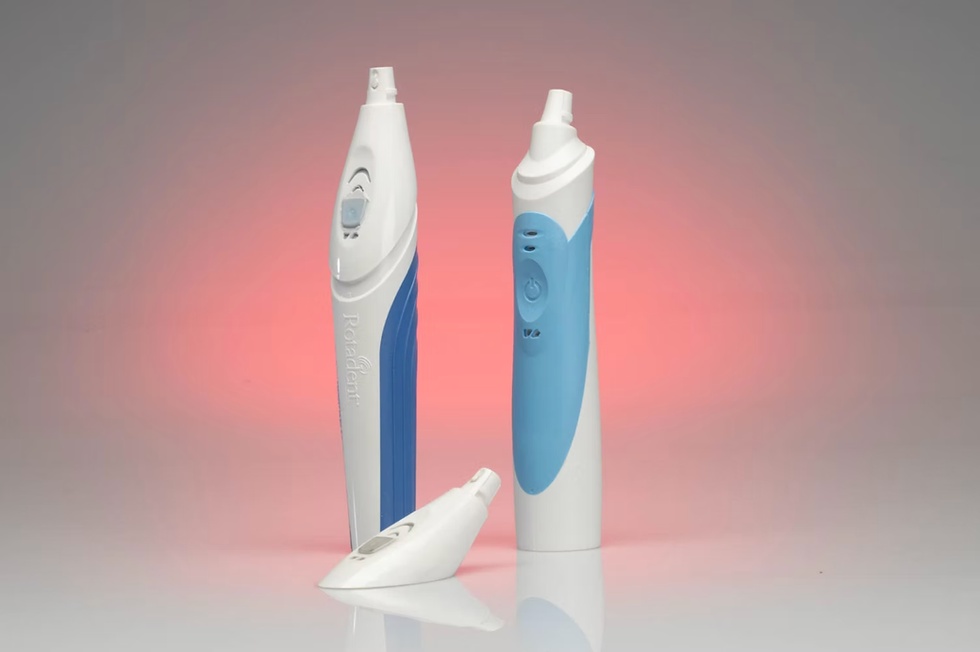
When you pick up a household item (a kitchen utensil, a personal care container or a children's toy) you are probably holding a plastic injection molded part. The consumer goods industry runs on these products. They need to look good, work well and be produced in large quantities without breaking the bank.
Custom plastic injection molds make this possible. A mold that’s built well produces the same part over and over again, thousands or millions of times, with each piece matching the one before it. This matters when your brand depends on products that look and perform the same way every time someone buys them.
Why Plastic for Consumer Goods?
Consumer goods manufacturers used to rely heavily on metal, wood and glass. Those materials have their place, but plastic offers some clear advantages for high-volume production.
Plastic parts weigh less, which cuts shipping costs and makes products easier to handle. They can be formed into complex shapes that would be expensive or impossible with other materials. They resist moisture, chemicals and impact damage. And when you need to produce hundreds of thousands of units, plastic injection molding is one of the most cost-effective methods available.
Overmolding and Insert Molding
Two techniques have become especially important in consumer goods manufacturing: overmolding and insert molding.
Overmolding combines two or more materials into a single part. For example, a toothbrush handle with a soft rubber grip uses overmolding. During manufacturing, one material (like the rubber) covers part of another material (the plastic handle). This gives you a product with different properties in different areas - a hard structure with a soft, comfortable surface where people hold it.
Insert molding works differently but also creates multi-material parts. In this process, you place an insert into the mold before injecting the plastic. That insert might be a metal connector, a threaded component or even a different type of plastic. The injected plastic flows around the insert, locking it in place. This technique is common in electronics manufacturing, where small metal parts need to be embedded in plastic housings.
What Types of Consumer Goods Use Injection Molding?
The list is almost endless. Housewares like storage containers, measuring cups and food storage lids are classic examples. Personal care products such as shampoo bottles, deodorant containers and cosmetic cases rely on injection molding for their consistency and appearance. Convenience products (think of things like disposable razors, pens and lighters) are produced in enormous volumes using this process.
Manufacturers also use injection molding for larger consumer durables. Components for small appliances, power tool housings and outdoor equipment all come from molds. The common thread is that these products need to be produced quickly, consistently and in large numbers.
What to Look for in a Mold Maker
Building a mold for high-volume consumer goods production takes more than good intentions. You need a shop with the right equipment and the experience to use it effectively.
The ability to handle complex geometries matters and five-axis milling and electrical discharge machining (EDM) allow mold makers to create details that conventional machining cannot achieve. High-speed milling cuts faster and leaves better surface finishes, while EDM machines can create intricate shapes and fine details that are otherwise hard to produce.
The engineering side matters too. Before any steel gets cut, the mold design needs to account for how the plastic will flow into the cavity, how it will cool and how the finished part will be ejected. Simulation software lets engineers test these factors beforehand to catch potential problems before they cost time and money.
The Role of Prototyping
Jumping straight into a production mold is risky. You might discover that the part design needs changes or that the material behaves differently than expected.
That is where prototype molds come in. A prototype mold gives you functional parts to test. It has the same shape and basic function as the production mold, but it usually lacks the surface finish or color details of the final product. This approach lets you evaluate the part's performance, identify issues and make changes before committing to a full production tool.
Think of it as a test run. You spend less upfront, verify that the design works and then move forward with confidence that the production mold will do what you need.
Quality and Consistency
Consumer goods manufacturers cannot afford variation from one batch to the next. If a part comes out slightly different on Tuesday than it did on Monday, that creates problems. The assembly might not fit. The product might look wrong. Customers might notice.
That is why quality control runs through the entire mold-building process. When a mold is designed and built correctly, every part matches the specifications. The consistency comes from the engineering that went into the mold itself, not from inspection after the fact.
Look for a mold maker that integrates quality into the build process. When 3D models flow between engineering and production, when inspection procedures are developed alongside the design and when every department understands the customer's requirements, the resulting mold performs as intended.


Comments